AI Governance
11 articles on ai governance
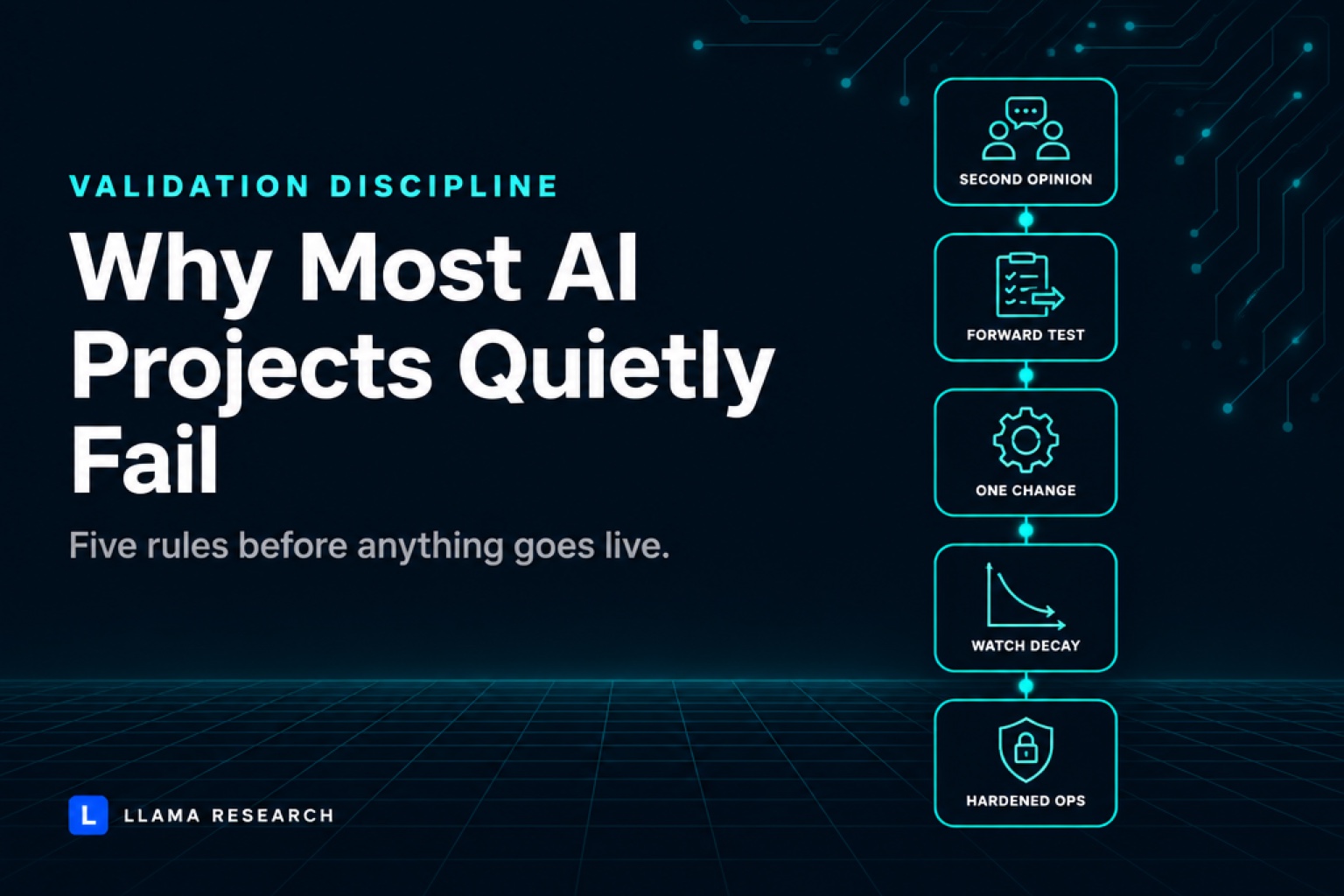
Why Most AI Projects Quietly Fail — and the Simple Discipline That Fixes It
Most AI projects don't fail because the technology is bad — they fail because nobody double-checked if the AI was measuring the right thing. Here's the simple, repeatable process we use instead, and why it works for any business, in any industry.
Private AI That Survives an Audit: 7 Controls CISOs Actually Sign Off On
Private AI fails security review when CISOs cannot prove egress, inventory, identity, logging, HITL gates, and incident response. Use this 7-control scorecard to pass — or fund — the gaps.

What Human-in-the-Loop AI Actually Costs — and What Your Board Should Be Tracking
Most boards ask whether AI has human oversight. The better question for human-in-the-loop AI: what does that oversight cost, and which board metrics prove it works?

From Research Platform to AI Factory: How a Decision System Learns From Its Own Work
Most enterprise AI stops at demos. How a research platform becomes a governed AI factory — propose-deploy rails and lessons that compound.

Human in the Loop AI Is Mostly Theater — Here's What the Real Thing Looks Like
Most human-in-the-loop AI is theater. Real HITL means agents propose, humans deploy, vetoes stick, and audit logs survive diligence.

AI Agent ROI: A 30/60/90 Day Measurement Framework That Survives Board Scrutiny
Most AI agent pilots die not because they fail, but because nobody agreed on what success looked like before launch. Here's a staged measurement framework that turns AI agent ROI from a hopeful slide deck into a defensible business case.

How to Evaluate Workflows for AI Agents: A Practical Checklist You Can Actually Use
A printable checklist to evaluate AI agent workflows: five scoring dimensions, do-not-automate rules, and a 30-day pilot plan.

The Private AI Imperative: Why Regulated Enterprises Are Abandoning Public AI APIs
Private AI for enterprises is an operating boundary — not a chatbot brand. Why regulated teams leave public APIs, and what real private deployment requires.
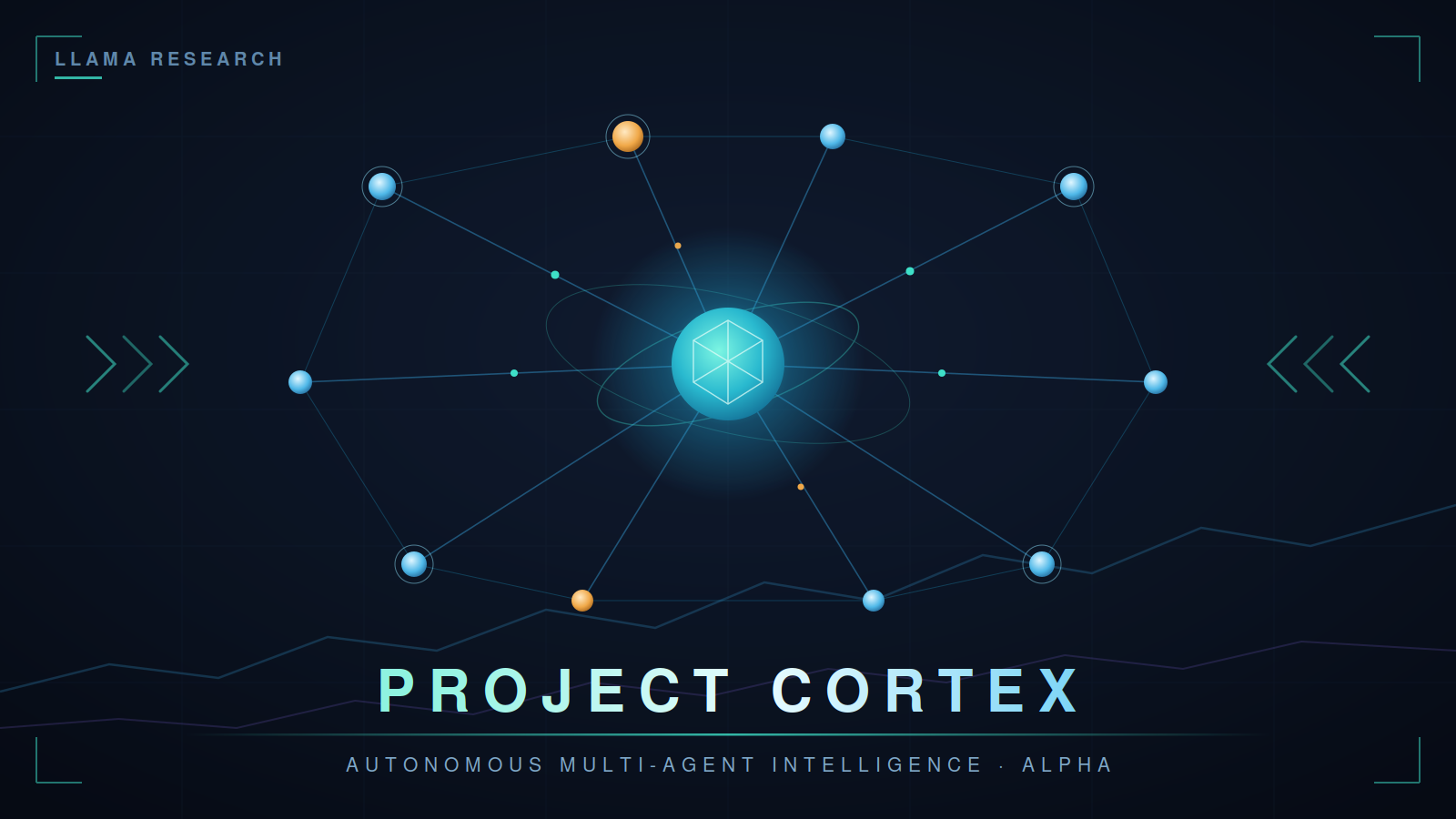
Inside Project Cortex: The Autonomous Multi-Agent AI Platform We're Building
An inside look at Project Cortex — 10 AI agents, a multi-layer decision gate stack, and a self-improving pipeline, now in alpha. See what it means for your industry.
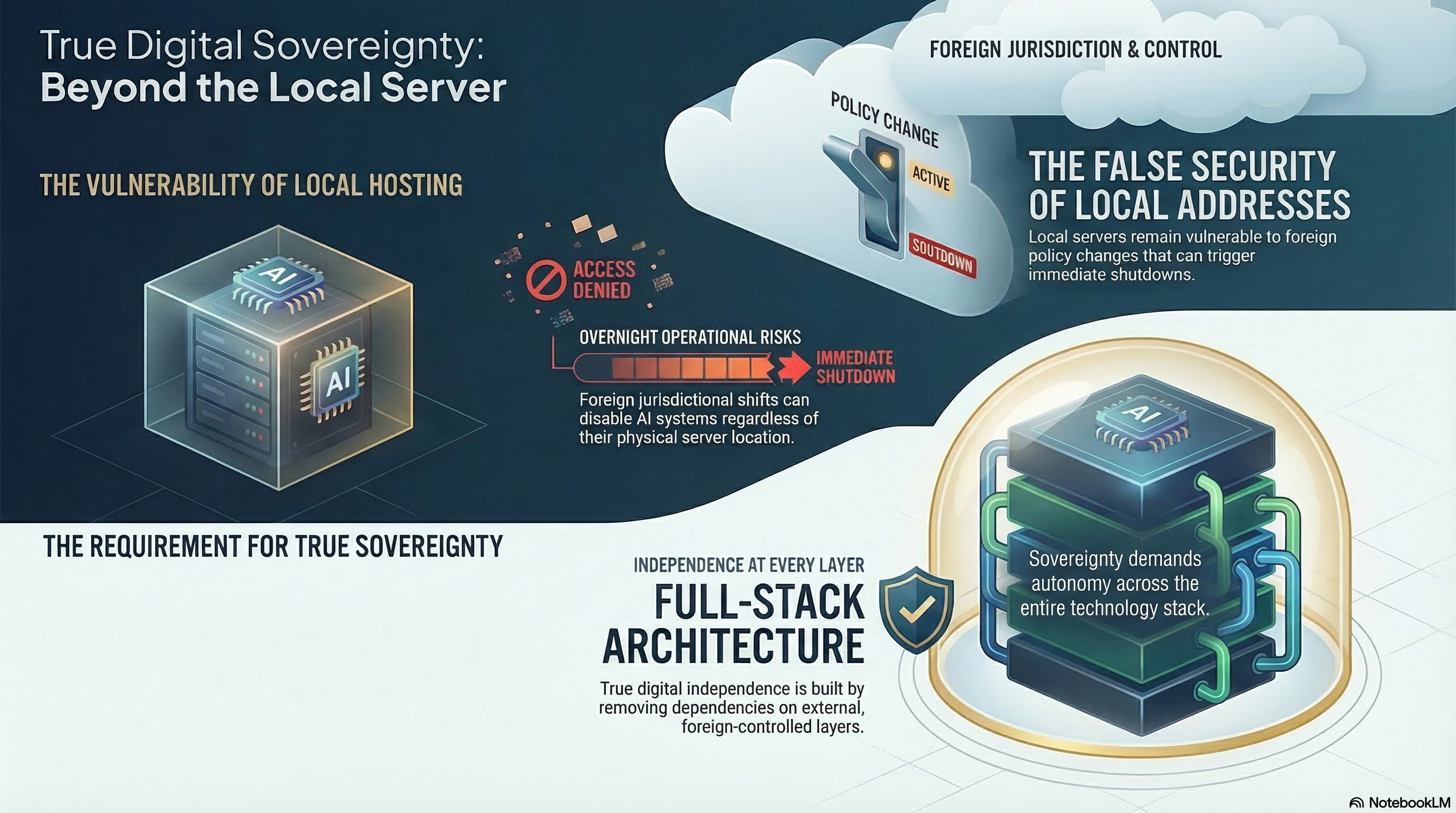
The Digital Sovereignty Trap: Why Locally Hosted AI Isn't Always Local — And What Digital Sovereignty AI Really Requires
Your AI runs on servers in your own data center, but a policy change in a foreign jurisdiction could shut it down overnight. True digital sovereignty AI demands more than a local address — it demands independence at every layer of the stack.
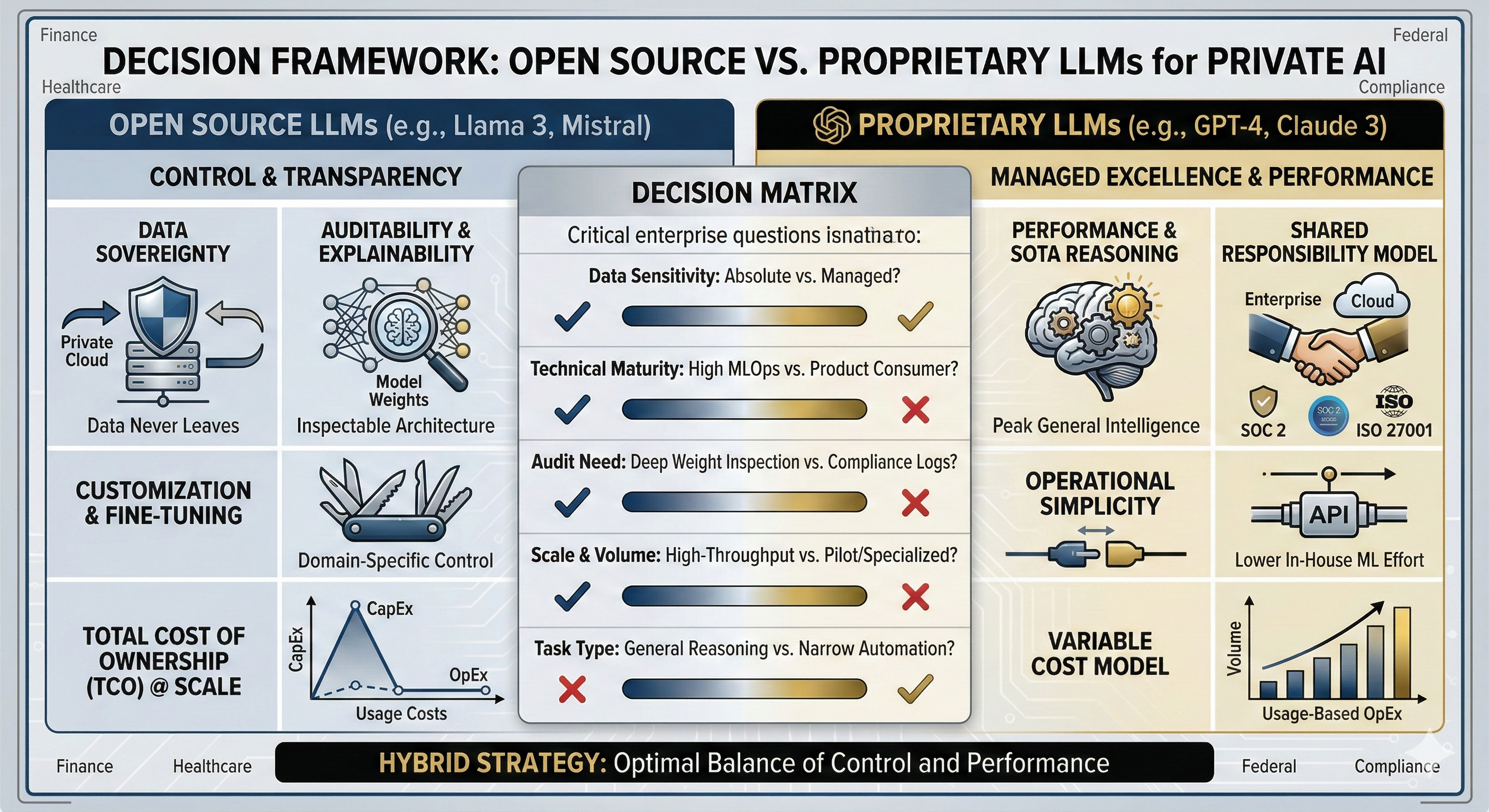
Open Source LLM vs Proprietary: A Decision Framework for Regulated Enterprises Deploying Private AI
The open source LLM vs proprietary debate misses the point for regulated enterprises. What actually matters is control—over your data, your models, your audit trail, and your operational risk.